8 Backyard Pavilion Ideas to Transform Your Yard

Beautiful backyard gazebo

TL;DR: Transform your outdoor space with creative pavilion designs that extend your living area and boost your property value. From cozy reading nooks to full outdoor kitchens, these eight backyard pavilion ideas blend functionality with style to create the perfect gathering spot for family and friends.

Essential planning considerations:

  • Choose the right size based on your yard dimensions and intended use
  • Select materials that withstand your local climate and match your home's aesthetic
  • Plan for proper foundation work before construction begins
  • Consider electrical needs for lighting, fans, and entertainment features
  • Think about enclosure options for year-round enjoyment

There's something special about having an outdoor space where you can relax without worrying about sudden rain showers or harsh afternoon sun. A well-designed pavilion extends your living area beyond the walls of your home and creates a focal point that draws people outside.

Whether you've got a sprawling property or a compact backyard, these backyard pavilion ideas will help you create an outdoor retreat that fits your lifestyle and budget.

1. The Classic Poolside Retreat

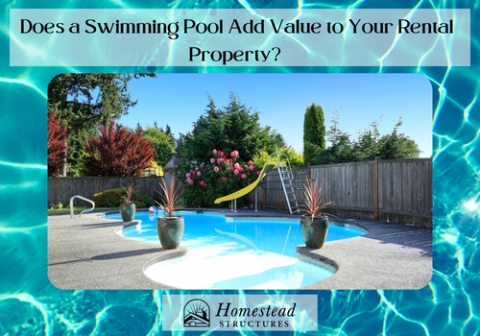
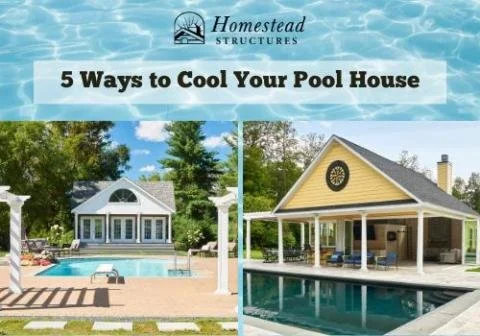
Picture this: you've just finished swimming laps and you need somewhere to cool down that isn't inside your house. A poolside pavilion gives you that perfect shaded sanctuary where you can towel off, grab a drink, and watch the kids play without baking in the sun. Add some comfortable lounge chairs, install hooks for hanging wet towels, and maybe include a small refrigerator for cold beverages.

The beauty of simple backyard pavilion ideas like this one is that they don't require complicated features to be functional. You're creating a comfortable transition space between the pool and your home. Consider including a ceiling fan to keep air circulating on those sticky summer days, and make sure your foundation can handle wet feet tracking back and forth.

2. The Outdoor Kitchen and Dining Hub

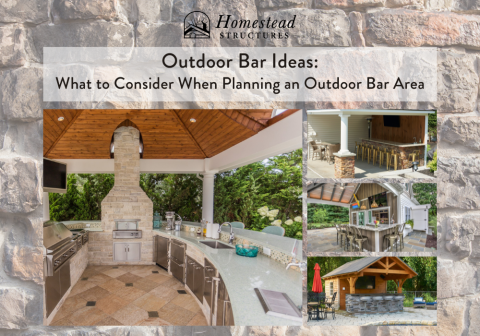
Why limit your cooking to the indoors when you could grill steaks under an open sky? An outdoor kitchen pavilion transforms meal preparation into an event. Install a built-in grill, add countertop space for food prep, include a small sink if plumbing allows, and you've created a fully functional cooking space that keeps smoke and heat outside where they belong.

This is one of those pavilion ideas backyard owners love because it changes how you entertain—guests naturally gravitate toward the cook, and with enough seating nearby, everyone stays connected during the meal preparation process. You'll want to think about storage for cooking utensils, plates, and supplies so everything you need is within arm's reach.

3. The Garden Reading Nook

Not every pavilion needs to accommodate crowds. Sometimes the best use of outdoor space is creating a quiet corner where you can escape with a good book and a cup of coffee. A smaller 10x10 or 12x12 structure tucked into your garden makes an ideal reading retreat that protects you from the elements while keeping you connected to nature.

Among small backyard pavilion ideas, this option works particularly well because it doesn't dominate your yard or require extensive square footage. Add a comfortable chair or small loveseat, install soft lighting for evening reading sessions, and consider lattice panels on one or two sides for extra privacy without completely blocking your garden views.

4. The Multi-Season Entertainment Space

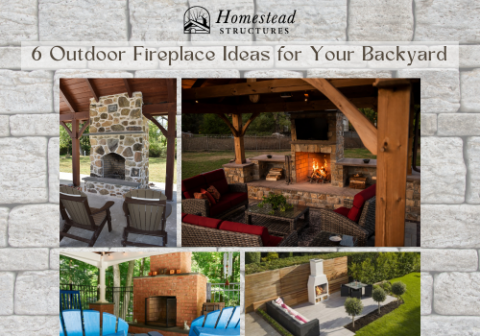
Your backyard shouldn't be off-limits just because the temperature drops. Adding a fireplace or fire pit under your pavilion extends the usability of the space well into fall and even mild winter days. Arrange seating in a semicircle around the heat source, add some outdoor-rated cushions and throws, and you've got a gathering spot that rivals your indoor living room.

This approach to pavilion backyard ideas works especially well if you include electrical outlets for outdoor heaters as a backup heat source. You might also consider installing a TV mount so you can watch the big game outside, or add string lights overhead for ambiance during evening gatherings. The key is making the space comfortable enough that people want to use it year-round.

5. The Workshop and Hobby Station

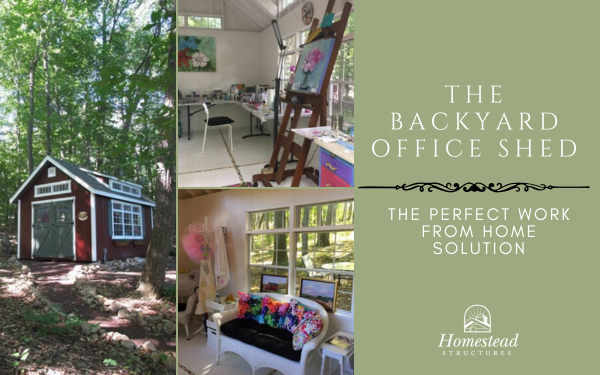
Who says a pavilion has to be about relaxation? If you're into woodworking, gardening, or crafts that create mess, a pavilion gives you weather-protected workspace without commandeering your garage. Install a sturdy workbench, add pegboard walls for tool storage, and ensure you've got adequate lighting and electrical outlets for power tools.

This is one of those backyard pavilion design ideas that adds real functional value to your property. You get a dedicated space for projects that might otherwise clutter up other areas, and the open-air design means you're not breathing in sawdust or paint fumes in an enclosed space. Just make sure whatever you store there can handle temperature fluctuations and humidity.

6. The Hot Tub Shelter

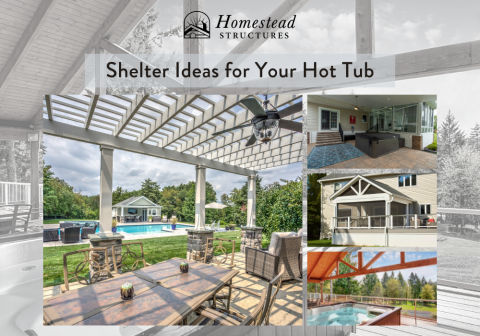
Pavilion by a poolThere's nothing quite like soaking in a hot tub under the stars, but direct sun exposure during the day and falling leaves year-round can make maintenance a hassle. A pavilion over your hot tub solves both problems while creating a spa-like atmosphere. You'll shield the water from debris, provide shade when needed, and create a more intimate setting that feels separate from the rest of your yard.

When planning this setup, pay special attention to ventilation—you need good airflow to prevent moisture buildup. Consider installing a ceiling fan, and make sure any wood components are treated to handle the constant humidity. Add hooks for hanging towels and robes, include some waterproof storage for supplies, and you've created your own private wellness retreat.

7. The Play and Recreation Area

Kids need space to burn energy, and parents need shade to watch them without getting sunburned. A pavilion over a play area gives you both. Whether you're covering playground equipment, creating a space for outdoor games, or simply establishing a shaded zone where kids can do arts and crafts, this structure keeps everyone comfortable.

This approach works particularly well for families who want versatile outdoor space that can adapt as kids grow. Today it might shelter a swing set, but in a few years that same pavilion could become a teen hangout spot or study area. Just plan for durability—kids are rough on structures, so choose materials that can handle the abuse.

8. The Formal Event Space

If you love hosting gatherings but your indoor space feels cramped, a larger pavilion creates the perfect venue for parties, family reunions, or even small weddings. A 16x20 or larger structure gives you room for multiple tables, a serving area, and space for guests to mingle comfortably.

Add electrical hookups for catering equipment or entertainment systems, ensure the lighting is adequate for evening events, and consider how you'll arrange seating for different types of gatherings. Some people even install ceiling-mounted heaters so they can host events during cooler months. The investment in a quality event pavilion can actually save you money if you typically rent venues for celebrations.

Frequently Asked Questions

What is the average cost to build a pavilion?

Building a pavilion typically costs between $3,000 and $15,000 depending on size, materials, and features. Basic wooden pavilions in smaller sizes sit at the lower end of that range, while larger timber frame structures with electrical work, premium roofing, and custom features can exceed $20,000. Your location also affects pricing due to labor costs and permit requirements.

What to put under a pavilion?

The surface under your pavilion depends on its intended use. Concrete or pavers work well for dining and entertaining spaces, offering durability and easy cleaning. Gravel provides good drainage and works for casual seating areas. Wood decking creates a warm, finished look but requires maintenance. For play areas, consider rubber mulch or artificial turf that provides cushioning.

What is a good size for a backyard pavilion?

Plan for 10x10 or 12x12 feet for intimate seating or reading areas. Mid-sized pavilions around 12x16 to 14x18 feet accommodate dining tables and small gatherings comfortably. Larger structures of 16x20 feet or more work well for outdoor kitchens, hot tubs, or event spaces. Always allow at least 2-3 feet of clearance around the structure for easy access and maintenance.

What is the best foundation for a pavilion?

Concrete footings extending below the frost line provide the most stable and durable foundation for pavilions. This approach prevents shifting and settling over time. For smaller, temporary structures, concrete piers or deck blocks might suffice.

The specific foundation requirements depend on your soil type, local building codes, and the weight of your pavilion—heavier timber frame structures need more robust foundations than lighter vinyl options.

Can you enclose a pavilion?

Yes, pavilions can be enclosed either permanently or seasonally. Install removable screens for bug protection during summer months. Add clear vinyl or polycarbonate panels to block wind and rain while maintaining visibility.

For permanent enclosures, consider walls with windows and doors, though this essentially converts your pavilion into a different structure type and may require different permits. Many homeowners choose partial enclosures—closing off one or two sides for privacy and wind protection while leaving the rest open.

Final Thoughts

Your backyard has untapped potential waiting to be discovered. Whether you're dreaming of quiet morning coffee sessions or lively weekend barbecues, the right pavilion design brings that vision to life. Start planning today, and you'll soon wonder how you ever enjoyed your yard without one. 

Facebook Comments Box

categories